
During the 19th century (the 1800s), matches became an essential household item in Britain and the United States. Factories produced millions of “strike-anywhere” matches, and most of the workers who made them were young women and girls, often from poor families. They were known as matchstick girls.
Their job looked easy but was actually very dangerous. Every day, they dipped wooden sticks into a chemical called white phosphorus, which helped matches ignite easily. The factories were poorly ventilated, and workers had no protective equipment. They breathed in poisonous fumes for long hours, usually while earning very low wages.
What Was Phossy Jaw?
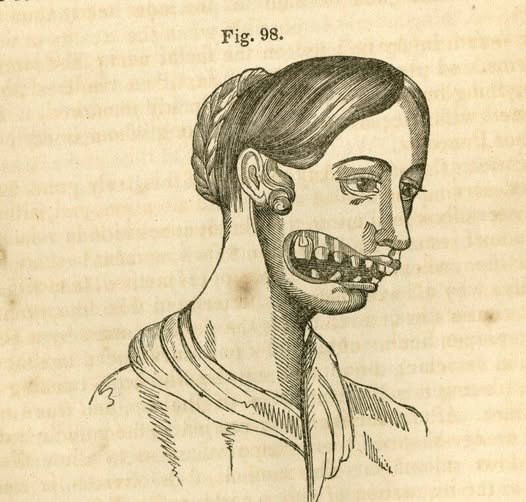
Long-term exposure to white phosphorus caused a horrifying disease called phossy jaw.
The symptoms began slowly:
- Toothaches and swollen gums
- Jaw pain and infections
- A terrible smell coming from the mouth
Eventually, the jawbone itself began to rot. Pieces of bone could fall out, and glowing green pus sometimes leaked from the face in the dark due to the phosphorus. The pain was unbearable.
In severe cases, the infection spread to the brain, leading to death. The only possible treatment was a complete removal of the jaw, which left survivors permanently disfigured.
Why Was It Allowed?
Factory owners knew the risks, but white phosphorus was cheap and effective. Workers were easily replaceable, and most women had no other way to earn money. Speaking out often meant losing their job.
Governments were slow to act, partly due to pressure from powerful factory owners.
The Matchgirls’ Strike (1888)
In London, things finally changed when matchstick girls at the Bryant & May factory went on strike in 1888. They protested:
- Unsafe working conditions
- Low pay
- Fines for small mistakes
Their bravery gained public support and drew attention to phossy jaw. This strike became an important moment in labor rights history.
The Ban on White Phosphorus
After years of campaigning:
- Britain banned white phosphorus matches in 1910
- The U.S. followed in 1912
Safer alternatives were introduced, ending the disease.
Why This Story Matters
The story of phossy jaw is a powerful reminder of:
- The cost of industrial progress
- The exploitation of working-class women
- The importance of worker safety laws
These women suffered terribly just to survive—and their struggle helped make workplaces safer for future generations.
If you want, I can also:
- Simplify it further
- Turn it into a school essay
- Or explain it in story form like a short narrative
Just tell me 🙂

0 Comments