
Two years ago, my girlfriend Freya, who works as a urologist, came home from the hospital visibly shaken. We were having drinks before dinner when she told me one of the most shocking, heartbreaking, and strangely profound stories I’ve ever heard.
Earlier that day, she had examined an elderly patient, a man of about 75 years old. He had come in complaining of severe pain in the groin area and a general feeling of being unwell. During the examination, Freya quickly realized what was wrong.
It was bad. Very bad.
The diagnosis was Fournier’s gangrene.
She later told me, “It was the very first time I had ever seen a patient with this disease since I started working at this hospital.” I still remember those words clearly.
Fournier’s gangrene is a rare and extremely aggressive form of necrotizing fasciitis — a rapidly spreading infection that affects the genital and perineal region. It causes the tissue to die and can become fatal very quickly if not treated immediately. Although it occurs worldwide, it is rare: since 1950, just over 1,800 cases have been documented in English-language medical literature. It mostly affects adult men but has also been reported in women and children.
In this particular case, the disease was already far advanced.
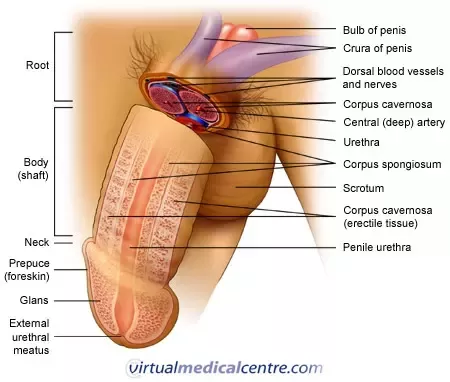
The medical team acted immediately. Emergency surgery was performed, and all visibly infected tissue was removed in an attempt to stop the spread — including the patient’s entire penis. Despite these drastic measures, the infection continued to progress uncontrollably over the following days.
Only a short time after the diagnosis, Freya found herself facing one of the most difficult conversations of her career. The situation was deteriorating rapidly. Seconds felt like minutes, minutes like hours, and there was no time left for false hope.
With tears in her eyes, she explained to the patient that even in the best possible scenario, he only had a few days left to live.
What happened next stayed with her forever.
Instead of reacting with fear or anger, the man gently comforted her. He thanked her for her honesty, her courage, and her kindness. Calmly, he said:
“Thank you so much, doctor, for your courage and your kind words. I am so happy that this will be over soon.”
And only days later, it was.

0 Comments