
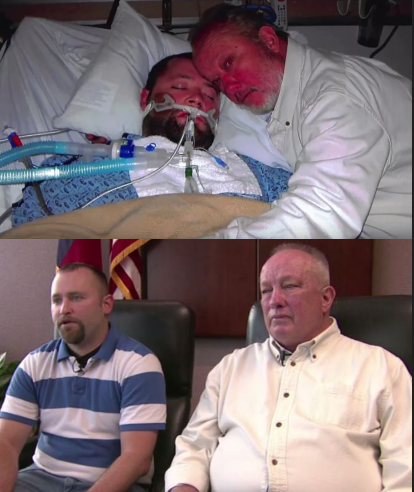
In January 2015, George Pickering Sr., a 59-year-old man from Pinehurst, Texas, went to a hospital where his adult son, George Pickering III, was being treated in the intensive care unit.
What happened to his son
George Pickering III had suffered a severe seizure that caused him to fall into a coma. Doctors at the hospital later diagnosed him as brain dead, meaning they believed there was no meaningful brain activity and no chance of recovery.
Based on this diagnosis, hospital staff informed the family that they planned to begin a “terminal wean” — a medical process in which life support is gradually removed so the patient can pass away naturally.
The confrontation
George Pickering Sr. strongly disagreed with the doctors’ decision. He believed his son was still alive and could recover. When the hospital insisted on proceeding, Pickering returned to the ICU armed with a 9 mm handgun.
Witnesses reported that he pointed the gun at doctors and nurses and shouted threats, including “I’ll kill all of you”, if they touched his son or removed life support.
The hospital was immediately locked down, and police surrounded the building. The standoff lasted about three hours.
How it ended
Police negotiators eventually convinced Pickering to surrender peacefully. No one was physically harmed, and the weapon was secured.
Because of the incident, the hospital did not proceed with the terminal wean at that time.
The unexpected recovery
In the days following the standoff, something remarkable happened:
George Pickering III began to show signs of consciousness.
Over time, he woke up from the coma and went on to make a significant recovery, contradicting the original diagnosis of brain death. Later reports stated that he regained the ability to speak and function.
Legal consequences
George Pickering Sr. was arrested and charged with aggravated assault with a deadly weapon. In 2017, a jury sentenced him to 10 years in prison, though his supporters argued that his actions ultimately saved his son’s life.
Why the case is controversial
This case became widely discussed because it raised difficult questions about:
- Medical diagnoses of brain death
- Parental rights vs. medical authority
- Ethics of end-of-life decisions
- Whether an act that is legally criminal can still lead to a morally complex outcome
While Pickering’s actions were illegal and dangerous, the fact that his son survived made the case emotionally powerful and controversial.

0 Comments