
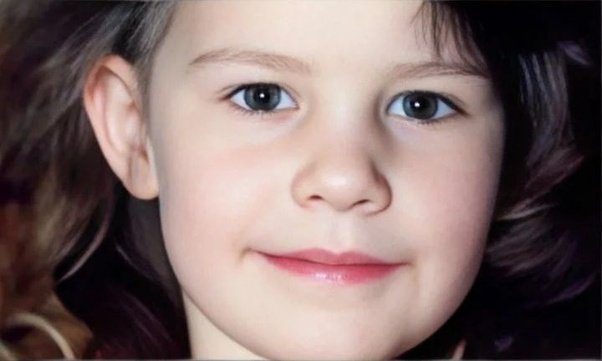
On Monday, October 11, 1993, nine-year-old Stephanie Crane went missing from the small town of Challis, Idaho, a quiet rural community where most people knew each other.
That afternoon, school ended as usual at Challis Elementary School. Stephanie and a few of her classmates walked together to Challis Lanes, a nearby bowling alley. They were part of a weekly children’s bowling league, something Stephanie enjoyed and had done many times before.
At around 4:00 p.m., Stephanie’s mother, Sandi Crane, stopped by the bowling alley. She gave Stephanie some money to buy a snack and reminded her to come straight home after bowling. Stephanie agreed. Nothing seemed unusual—this was part of their normal routine.
The children spent about an hour bowling and eating snacks. By approximately 4:45 p.m., the league ended, and the kids began leaving to walk home.
As Stephanie walked through the bowling alley parking lot, she was seen by another child’s mother, who offered her a ride home. Stephanie politely declined, saying she was fine walking. Her home was very close—only about 500 yards (roughly a quarter mile) away.
To get home, Stephanie needed to cross a small footbridge over Garden Creek, a narrow stream that ran through town. The other mother watched Stephanie walk toward that bridge. This was the last confirmed sighting of Stephanie Crane.
Stephanie never arrived home.
When she did not return, her family quickly became worried. A search began that evening and grew rapidly. Hundreds of volunteers, local police, sheriff’s deputies, and later the FBI searched the area. They combed the creek, fields, nearby buildings, abandoned mines, and surrounding wilderness. Search dogs were brought in, and roadblocks were set up.
Despite one of the largest searches Idaho had ever seen, no trace of Stephanie was found. There were no signs of a struggle, no clothing, no backpack, and no physical evidence explaining what happened to her.
Investigation and Suspect
Over time, investigators came to believe Stephanie had been abducted near the footbridge.
In 1995, attention focused on Daniel Ray Wilson, a man who had lived in Challis at the time of Stephanie’s disappearance. Wilson had since been arrested and convicted for kidnapping and sexually assaulting another young girl in a different case.
Wilson was charged in connection with Stephanie Crane’s disappearance, and prosecutors believed he was responsible. However, the case against him relied heavily on statements he made during police interrogations. Years later, a judge ruled those statements were obtained improperly and suppressed the evidence.
As a result, in 2001, all charges against Wilson in the Stephanie Crane case were dismissed. He has never been retried, and no one else has been charged.
Where the Case Stands Today
More than 30 years later, Stephanie Crane has never been found. No remains have been recovered, and no definitive answers exist about what happened to her.
Her case remains officially unsolved.
Stephanie’s disappearance deeply affected Challis, a town where children once walked freely and safely. Her family has continued to seek answers, keeping her memory alive and hoping that someday the truth will come out.

0 Comments