
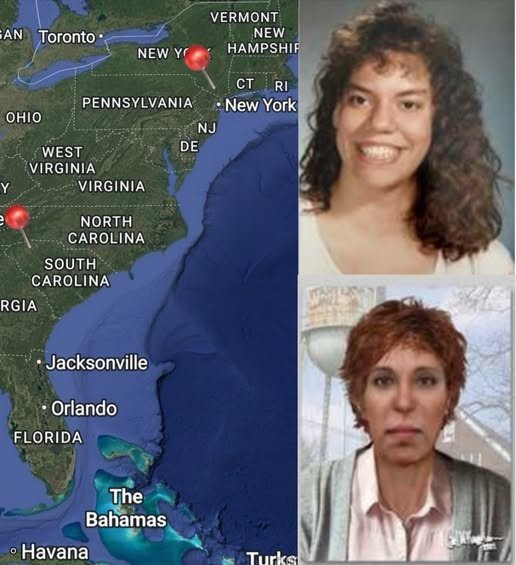
In 2011, a group of teenagers were walking through a wooded area near Startex in Spartanburg County, South Carolina, looking for scrap metal. During their search, they made a disturbing discovery: human bones scattered in the woods. Authorities were called, and investigators soon determined the remains belonged to a woman. However, there were no personal belongings, documents, or immediate clues that could reveal who she was or how she died.
Because her identity was unknown, the woman was given the name “Ms. Startex,” after the nearby community where she was found. For years, she remained one of Spartanburg County’s most puzzling cold cases. Despite efforts by law enforcement and the coroner’s office, no missing person report clearly matched her description, and no family came forward looking for her.
As forensic science advanced, investigators revisited the case. In 2020, the Spartanburg County Coroner’s Office partnered with the DNA Doe Project, a nonprofit organization that helps identify unidentified human remains using genetic genealogy. A DNA profile was developed from Ms. Startex’s remains and uploaded to public genealogy databases, including GEDmatch and FamilyTreeDNA.
The initial results were frustrating. The DNA matches were very distant, meaning they shared only small amounts of DNA with the unknown woman. Many of the matches appeared to have Puerto Rican ancestry, which made the research especially challenging. In some family lines, there were close inter-family relationships and limited records, making it difficult to build accurate family trees. Over several years, investigators and volunteer genealogists built hundreds of family trees, followed countless weak leads, and repeatedly hit dead ends.
Everything changed in April 2025. A new DNA match appeared—closer than any before. This single match provided the missing connection investigators needed. By carefully tracing the family line, they were finally able to identify Ms. Startex as Jolene Lynn White.
Further investigation revealed that Jolene had a complicated early life. Her biological mother had died, and Jolene was adopted as a child. Later, she moved to South Carolina with her adoptive family. Over time, she lost contact with people who might have reported her missing, which likely explains why no one connected her disappearance to the remains found in 2011.
After nearly 14 years, Jolene Lynn White was no longer a mystery. She was no longer “Ms. Startex.” Her name, history, and identity were finally restored.
This case stands as a powerful reminder that cold cases are never truly closed. Advances in DNA technology and just one new piece of information can change everything—even after many years. Jolene’s identification also shows how persistence, science, and collaboration can finally bring answers to cases once thought unsolvable.

0 Comments