
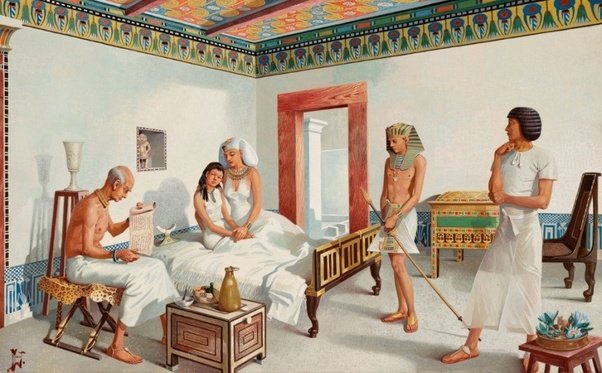
Around 2500 BCE, in ancient Egypt, a physician wrote a medical text that would become one of the most remarkable documents in the history of medicine. This text, known today as the Edwin Smith Papyrus, survives only because it was carefully copied about a thousand years later.
What makes this document extraordinary is how modern it feels. At a time when illness was usually explained through magic, curses, or the will of the gods, this Egyptian doctor took a very different approach. He treated medicine as a practical science. In the papyrus, he examined 48 different medical cases, most of them involving injuries such as fractures, wounds, and tumors.
Each case followed a clear and logical structure:
- an examination of the patient,
- a diagnosis,
- a prognosis (what would likely happen),
- and a suggested treatment.
There are no spells, prayers, or magical rituals in these descriptions—only careful observation and honest judgment.
One of the most striking entries is Case 45. In this case, the doctor described a woman with large, hard tumors in the chest. The lumps had spread and were firm to the touch. He compared their texture to a bundle of cloth or to the unripe fruit of the hemat plant, which was known to be cold and hard. His description is so precise that modern doctors recognize it immediately.
This is the oldest known written description of breast cancer in human history.
In most other cases in the papyrus, the doctor recommended treatments—bandaging, surgery, or other medical interventions. But in this case, he did something rare and deeply honest. After examining the patient, he concluded that nothing could be done.
His final judgment was simple and devastating:
“There is no treatment.”
(or, in some translations, “There is no cure.”)
This brief sentence shows not only the limits of ancient medicine, but also the integrity of this early physician. Rather than offering false hope or magical remedies, he acknowledged the reality of the disease.
More than 4,500 years later, this short note still resonates. It reminds us that cancer has been part of the human story for millennia—and that the pursuit of truth in medicine began long before modern science.

0 Comments