
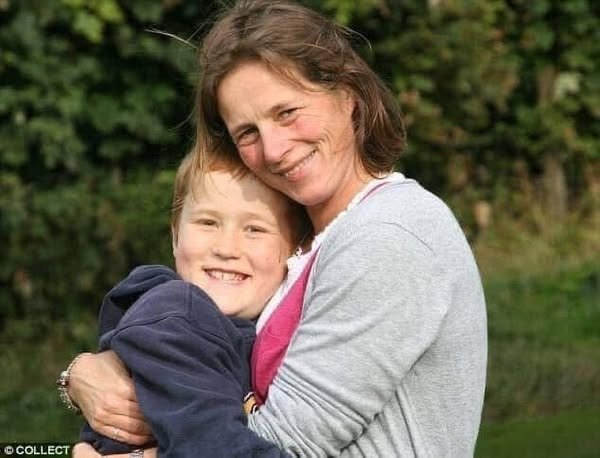
Sarah Pullen was faced with one of the hardest questions any parent could ever face: should she tell her child that he was going to die? When her eleven-year-old son, Silas, was diagnosed with an aggressive brain tumour called glioblastoma (GBM), doctors told Sarah and her husband that there was no cure. Silas was unlikely to survive longer than eighteen months.
Instead of telling Silas the full truth about his prognosis, Sarah chose a different path. She decided to protect her son’s sense of hope and childhood. Rather than filling his remaining time with fear, she filled it with love, laughter, imagination, and family moments. To help Silas cope, she even gave the tumour a name, turning it into something less frightening and more manageable for a child.
Sarah was shocked by how little progress had been made in treating brain cancer. Like many people, she believed that cancer usually meant treatment options and hope for recovery. She had no idea that brain cancer kills more children than meningitis, or that many of the medicines used had not changed in decades. There were no clinical trials available for Silas, and from the very beginning, doctors were clear that his illness would be terminal. Sarah found this reality almost impossible to accept.
Silas lived for less than a year and a half after his diagnosis. He passed away in December 2013, surrounded by his family. After his death, Sarah struggled deeply with grief. She became extremely protective of her other children, constantly afraid that something else terrible might happen. Over time, she realised that although fear is understandable, children still need freedom — to play, to take risks, and to live fully in the present.
Sarah describes grief as something that never truly goes away. Instead, it changes shape. At first, it feels overwhelming, like waves that crash one after another without stopping. As time passes, those waves come less often, but they never completely disappear. She admits that toward the end of Silas’s life, she sometimes wished for his suffering to stop — a feeling many parents experience but rarely speak about. At the same time, she says she would relive all of that pain again if it meant having just one more day with her son.
To honour Silas and help others, Sarah later wrote a book called A Mighty Boy. Through the book, she hopes to raise awareness about childhood brain cancer and offer comfort to families facing similar heartbreak. All proceeds from the book are donated to The Brain Tumour Charity, supporting research and families affected by the disease.
Sarah’s story is not just about loss — it is about love, courage, and choosing hope even in the darkest circumstances.

0 Comments